Why Your Sheets Are Making You Sweat More (Not Less)
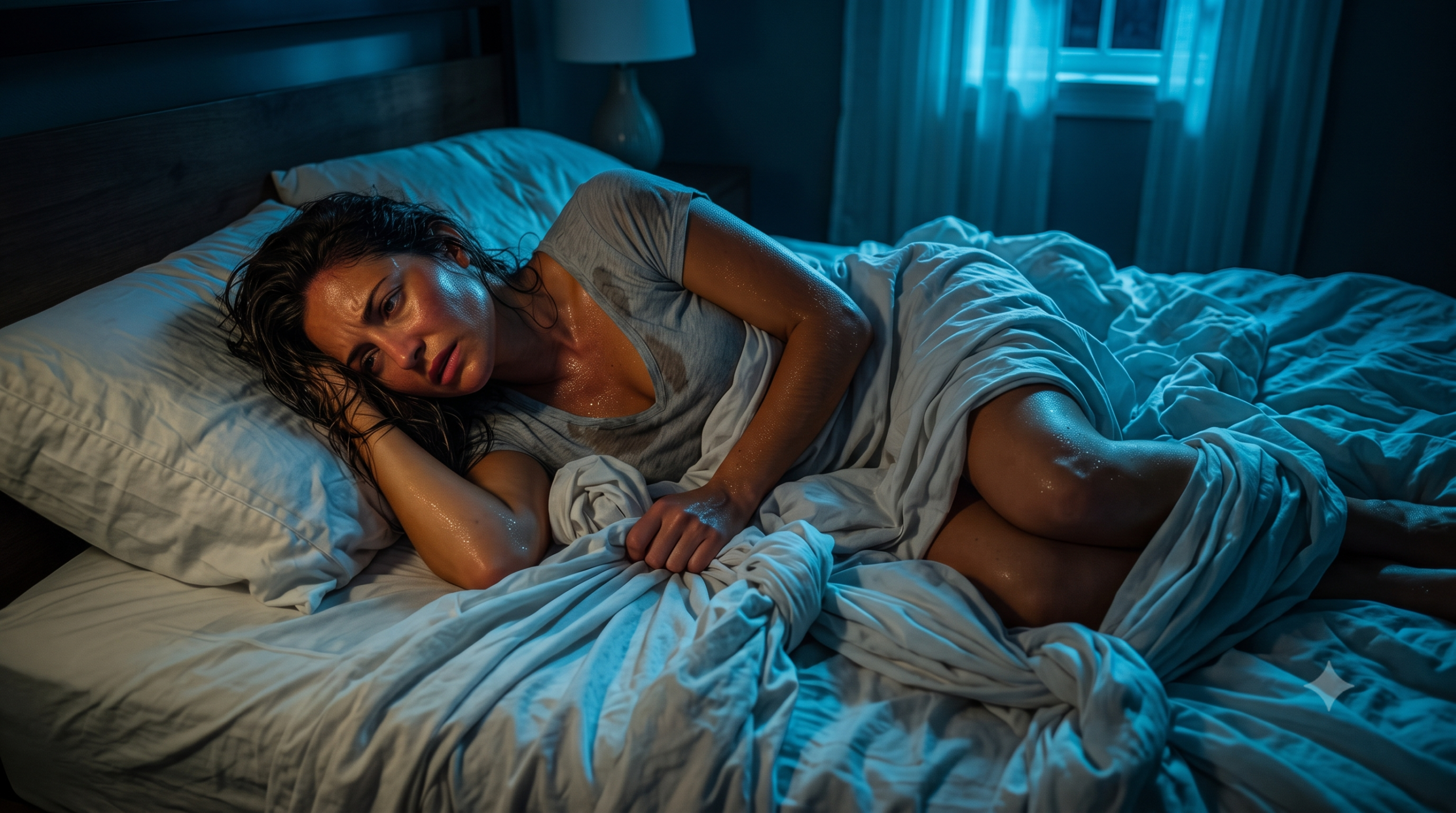
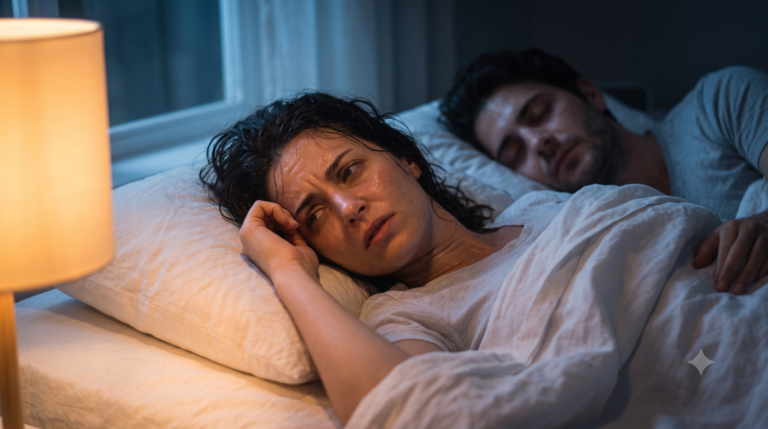
You have tried everything. You set the thermostat to 68°F. You kicked the comforter off. You flipped the pillow. You got the fan going. And at 3am, you still wake up lying in damp sheets wondering what is wrong with you.
Here is what is actually wrong: it is probably your sheets.
Not your body. Not your bedroom temperature. The specific fabric wrapped around you while you sleep is trapping sweat against your skin, and the longer it does that, the hotter and more uncomfortable you get — until your body’s cooling system wakes you up.
Understanding why this happens requires about two minutes of fabric science. Once you understand the mechanism, you will never buy the wrong sheets again.
The Problem Isn’t You — It’s Fiber Physics
When you sleep, your body produces sweat as part of its natural thermoregulation cycle. This is not a malfunction. It is your body doing exactly what it is supposed to do: trying to cool your skin surface by releasing moisture that evaporates and carries heat away.
The sheet directly against your skin plays one of two roles in this process:
- It moves moisture away from your skin — absorbing sweat and pushing it outward through the fabric, where it can evaporate. This is called moisture wicking. You feel drier, cooler, and stay asleep.
- It holds moisture against your skin — absorbing sweat but keeping it trapped in the fibers nearest your body. The moisture sits between you and the sheet, warming up, creating a humid microclimate against your skin. This is what wakes you up at 3am.
The difference between these two outcomes comes down entirely to fiber structure. Some fibers are built to transport moisture outward. Others absorb it and hold it in place.
A commenter on r/Bedding explained the distinction clearly after years of trial and error:
“You will always want 100% cotton or linen bedding. Never ‘washed for softness’, never ‘treated to reduce wrinkling’. Lower thread counts allow the fabric to be more breathable. Any use of fabric softener will occlude the breathability and absorbency of your sheets. So never use it.”
— r/Bedding
That is the entire framework. Natural fibers, lower thread counts, no fabric softener. Everything else is a downstream consequence of that foundation.
If you are not sure whether you are a moisture-trapper or a heat-retainer, our 4-question sleep heat quiz will tell you in two minutes — and point you to the right fix.
The Thread Count Myth Nobody Corrects
The bedding industry has successfully convinced most shoppers that higher thread count equals better sheets. This is not true for hot sleepers, and in many cases the opposite is true.
Thread count measures how many horizontal and vertical threads are woven into one square inch of fabric. When thread count climbs above 400, manufacturers must use either thinner yarns, twisted multi-ply yarns, or tighter weaves to fit more threads in. All three of these approaches reduce the spaces between fibers through which air and moisture can move.
For a cold sleeper who wants to feel cocooned, a high thread count sateen sheet is a perfectly reasonable choice. For a hot sleeper, a 600-thread-count sateen sheet is essentially a warm, non-breathable layer that holds heat against your skin all night.
The target range for breathable sheets is 200 to 400 thread count, in a percale weave. Percale is a one-over-one-under weave structure that creates a more open fabric with better air circulation than the longer, smoother floats of sateen weaves.
One r/Bedding user put it directly: “Have you tried 100% cotton bedding? I used to be like this until I switched all my bedding — pillow case included — to 100% cotton and all resolved after that. Look for a thread count of 400–600.” Even at the higher end, the critical variable was fiber content, not thread count.
This matters because you can spend $200 on a 1,000-thread-count bamboo sateen sheet and sleep worse than someone using a $40 cotton percale set from Target. The thread count number on the packaging tells you almost nothing useful if you run hot at night.
The Four Fabric Types, Ranked for Hot Sleepers Who Sweat
Not all fabrics behave the same way once your body starts producing heat. Here is how the most common sheet materials actually perform for moisture-heavy sleepers:
| Fabric | Moisture Wicking | Initial Feel | Performance After Sweating | Best Weave Structure | Hot Sleeper Verdict |
|---|---|---|---|---|---|
| 100% Cotton Percale | Excellent | Crisp, cool | Stays relatively dry; moves moisture outward | Percale (1-over-1-under) | ✅ Best for most hot sleepers |
| Linen | Excellent | Textured, cool | Superior moisture transport; improves with washing | Plain weave | ✅ Best for heavy sweaters |
| Bamboo Viscose | Moderate | Silky, very cool | Holds moisture against skin under heavy sweating | Twill or percale | ⚠️ Works for light sweaters; fails heavy sweaters |
| Microfiber / Polyester | Poor | Soft | Traps heat and moisture; worsens sweating | Avoid all weave types | ❌ Avoid for hot sleepers |
| Cotton Sateen | Good | Smooth, silky | Less breathable than percale due to tighter weave | Sateen (not recommended for heavy sweat) | ⚠️ Better than synthetic but inferior to percale |
The key distinction in this table is between initial feel and performance after sweating. Bamboo viscose and sateen sheets often feel genuinely cool when you first get into bed. They market themselves aggressively on that initial sensation. The problem only reveals itself 90 minutes into sleep, when your body temperature rises, you start producing moisture, and the fabric’s limitations become apparent.
If you want to understand the specific differences between bamboo and percale in detail — including which type of sweater each serves — we compared them directly in our full bamboo vs. percale breakdown.
The Three Hidden Mistakes That Make Hot Sleepers Sleep Hotter
Even when someone chooses the right fabric, three common habits can eliminate the benefit entirely.
Mistake 1: Using Fabric Softener
Fabric softener deposits a thin waxy coating on the fibers of your sheets. This coating is what creates the soft, smooth sensation people associate with freshly laundered bedding. It is also what seals the moisture-wicking pathways that make cotton and linen work for hot sleepers.
When you use fabric softener on percale cotton, you effectively convert a breathable, moisture-wicking sheet into a moisture-holding one. The fiber content stays the same. The function is gone. If your sheets are 100% cotton and you are still waking up sweating, fabric softener is the first thing to eliminate.
The same applies to dryer sheets. Vinegar in the rinse cycle works as a fabric softener alternative that does not block absorbency.
Mistake 2: Conflating Price With Breathability
The r/Bedding community ran a natural experiment on this. A user posted images of $460 Brooklinen sheets that deteriorated completely within two years. The top comment, upvoted 648 times: “Meanwhile my $30 IKEA sheets are still going strong after 5 years.”
Multiple other users confirmed the pattern: “I WAS a Brooklinen customer until the same thing happened. The sheets didn’t even make it to two years. Wound up buying Kirkland sheets at Costco and love them.” Another noted that Brooklinen uses short-fiber linen — a quality indicator nobody mentions in the marketing materials.
For hot sleepers specifically, a $40 100% cotton percale set with the correct weave will outperform a $200 high-thread-count bamboo sateen. The variables that matter — fiber content, weave type, thread count range — are not correlated with price at the consumer level.
Mistake 3: Ignoring the Mattress Beneath the Sheets
Sheets do not operate in isolation. If you have a memory foam mattress, it is generating and retaining significant radiant heat from below. No sheet fabric can fully compensate for a mattress that acts, as one r/Bedding commenter put it plainly: “Memory foam beds are like personal heaters.”
The fastest fix: a cooling mattress topper creates a breathable barrier between your body and the heat-retentive foam below — no new mattress required.
See what Reddit’s hot sleeper community consistently recommends: Best Cooling Mattress Topper: What Reddit Actually Says (2026).
For sheets specifically: Best Cooling Sheets: What Reddit Actually Says (2026).
If you have already switched to 100% cotton percale, eliminated fabric softener, and still wake up sweating — your mattress is likely contributing. This is worth understanding before spending more money on sheets. For more on this, read our piece on why you wake up sweaty even with cooling bedding.
Moisture-Trapper vs. Heat-Retainer: Which Problem Do You Have?
Hot sleepers actually fall into two distinct categories, and the sheet fix is different for each.
Moisture-trappers produce heavy sweat during sleep. Their sheets feel damp or sticky when they wake up. The problem is fabric that cannot move moisture fast enough. Solution: 100% cotton percale or linen.
Heat-retainers sleep warm but do not necessarily produce heavy sweat. Their sheets feel dry but they still wake up hot. The problem is fabric, mattress, or bedding stack that holds ambient body heat. Solution: lighter layers, open-weave fabrics, addressing the mattress itself.
Most people who describe themselves as hot sleepers are actually moisture-trappers. They have been told their problem is temperature, so they buy sheets marketed on “cooling” — usually bamboo viscose or microfiber — which address initial temperature but fail completely on moisture management.
Understanding which category you are in changes everything about how you shop.
📋 Not sure if you are a Moisture-Trapper or a Heat-Retainer?
Don’t guess and waste money on the wrong fabric. Take our free, 60-second Sleep Heat Quiz to discover your exact thermal profile and get a customized 3-step bedding protocol.
If you already know you are a moisture-trapper and want to understand which specific sheet types pass the sweat test — including thread counts, weave types, and which brands the Reddit community has actually tried and reviewed — the bamboo vs. percale comparison covers this in full.
The Short Version
- Sheets cause sweating when they trap moisture against your skin instead of moving it outward.
- Synthetic fabrics and bamboo viscose feel cool initially but trap moisture under heavy sweating.
- 100% cotton percale (200–400 thread count) and linen are the fabrics that consistently pass the moisture test.
- Fabric softener eliminates the wicking function of even the best cotton sheets.
- Price does not predict performance. A $30 cotton set can outperform a $460 branded linen set depending on fiber quality and weave.
- If the right sheets alone do not fix the problem, the mattress beneath them is probably contributing heat from below.
Hot sleeping is a solvable problem. The solution starts with understanding what your sheets are actually doing — or failing to do — while you sleep.
Related Reading
- Bamboo vs. Percale Sheets for Night Sweats: Which One Actually Works?
- Why You Wake Up Sweaty (And What To Do About It)
- Hot Sleeper vs. Cold Sleeper: What’s the Actual Difference?
- Night Sweats vs. Hot Sleeping: How to Tell Which One You Have
- Best Cooling Sheets for Hot Sleepers
If overheating sheets are making you sweat, the next step is active fixes for your whole sleep setup. See: How to Stop Sweating in Bed: 8 Fixes That Work Tonight.